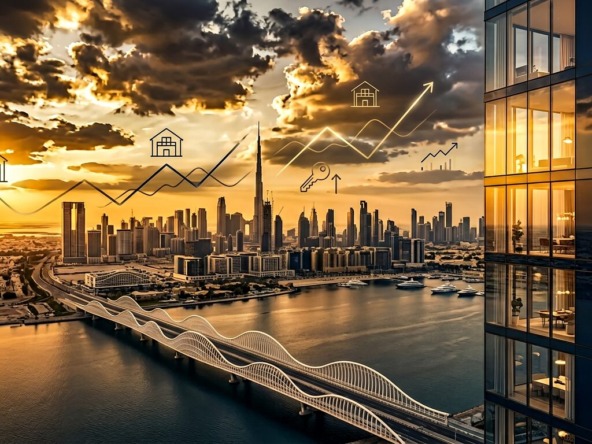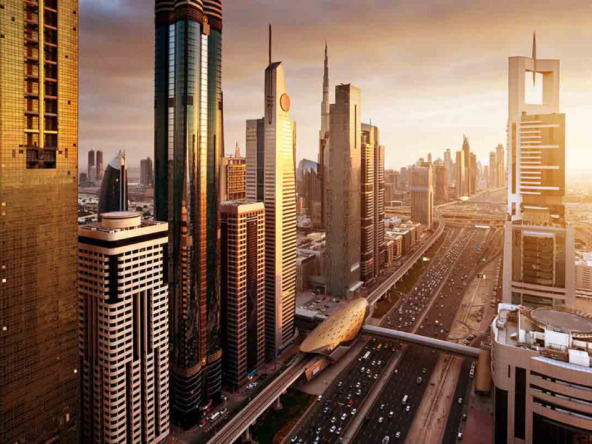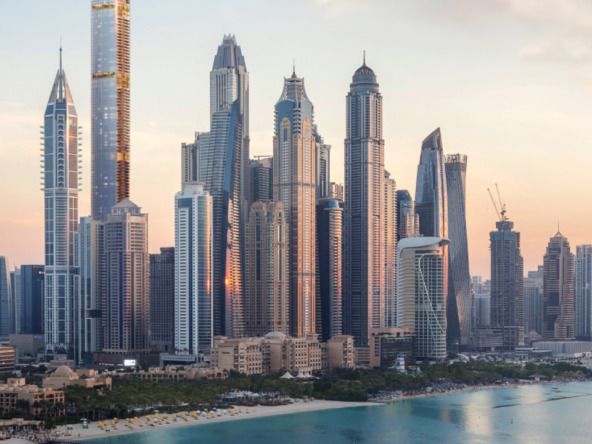
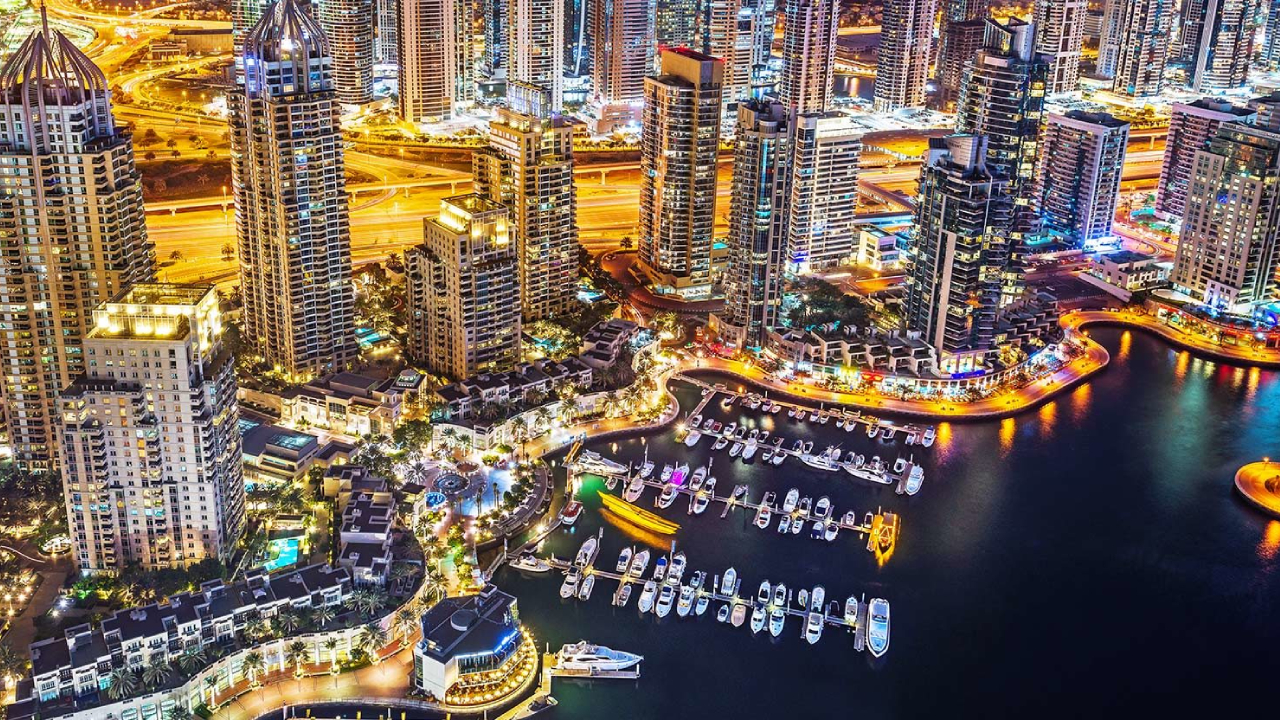
If you have been following the real estate headlines recently, you might have felt a twinge of anxiety. The word “oversupply” is being tossed around regarding 2026, with reports of thousands of new homes scheduled to hit the market.
For investors and homeowners, the big question is: Will 2026 see a market crash, or is this simply the natural maturation of a booming city?
At Olives Homes, we believe in looking past the headlines and diving into the data. The reality of 2026 isn’t about a bubble bursting—it’s about the market finding a healthy, sustainable balance. Here is the truth about the “oversupply” scare and why smart money is still betting on Dubai.
The “Paper Pipeline” vs. Real Deliveries
The primary source of concern stems from the sheer number of project launches we’ve seen in 2023 and 2024. On paper, estimates suggest that anywhere from 80,000 to 100,000 new units could be completed by 2026.
However, seasoned Dubai investors know there is a massive difference between projected supply and actual delivery.
- The “Materialization Rate”: Historically, only about 50% to 60% of projects scheduled for a specific year actually get handed over on time. Construction delays, supply chain logistics, and developer pacing often smooth out these “spikes” in supply over several years.
- The Result: Instead of a sudden flood of inventory crashing the market, we are likely to see a steady stream of handovers that the market can absorb more comfortably.
Demand is Outpacing Expectations
Supply is only half the equation. You cannot talk about an oversupply without looking at who is buying and renting. Dubai’s demand drivers are stronger than ever, acting as a powerful sponge for new inventory.
1. Population Explosion
Dubai’s aggressive expansion plan involves growing its population to 5.8 million by 2040. We are currently seeing a population growth rate that is exceeding forecasts, driven by professionals, entrepreneurs, and families moving to the emirate for safety, tax efficiency, and lifestyle.
2. The “Golden” Effect
The expansion of the Golden Visa program has fundamentally changed buyer behavior. We are seeing a shift from short-term speculators to long-term end-users. People aren’t just flipping contracts anymore; they are buying homes to live in. This “stickiness” reduces volatility and stabilizes prices.
A Tale of Two Markets: Luxury vs. Mass Market
One of the most critical nuances for 2026 is that the “oversupply” risk is not evenly spread.
- The Mass Market: Standard apartments in developing areas may see a softening in rental yields and price stagnation. This is actually good news for tenants and creates a more affordable entry point for new residents.
- Prime & Luxury: High-end villas, waterfront properties, and branded residences in established communities (like Palm Jumeirah, Dubai Hills, or Downtown) remain in short supply. Wealthy individuals continue to migrate to Dubai, and the inventory for “trophy assets” simply cannot be built fast enough to satisfy this top-tier demand.
Olives Homes Insight: Investors should stop looking at “Dubai” as one single market. In 2026, the strategy should be micro-focused: specific communities, build quality, and distinct amenities will matter more than ever.
Why Stabilization is Good for You
Leading analysts, including those from S&P Global, are predicting a “price stabilization” rather than a crash. Prices might level off or correct slightly (5-10%) after the double-digit growth of recent years.
Why is this positive?
- Healthy Growth: A market that grows 20% every year is a bubble. A market that stabilizes allows infrastructure and wages to catch up, creating a solid foundation for the next cycle.
- Better Entry Points: For investors who felt “priced out” in 2024, the coming stabilization offers a window of opportunity to buy quality assets at fair valuations.
- Tenant Retention: As rents stabilize, landlords will enjoy longer tenant retention, reducing void periods and maintenance costs.
The Verdict: Opportunity Favors the Informed
So, will there be an oversupply in 2026? Technically, yes—in certain segments. But will it crash the market? Highly unlikely.
The Dubai of 2026 is a mature, global hub, not the speculative playground of 2008. The government’s proactive regulations and the economy’s diversification provide a safety net that didn’t exist in previous cycles.
Your Strategy for 2026
- Focus on Quality: generic towers will struggle; unique, community-centric developments will thrive.
- Think Long-Term: Ignore the quarterly noise. Dubai’s 2040 vision is the roadmap you should be following.
- Consult Experts: Generic advice doesn’t work in a nuanced market.
Are you looking to position your portfolio for the 2026 cycle? Contact the advisory team at Olives Homes today. We help you navigate the noise to find properties that offer sustainable growth and genuine value.
(Disclaimer: This article provides market analysis and does not constitute financial advice. Always conduct your own due diligence.)