Dubai’s Property Market Off to a Powerhouse Start in 2026
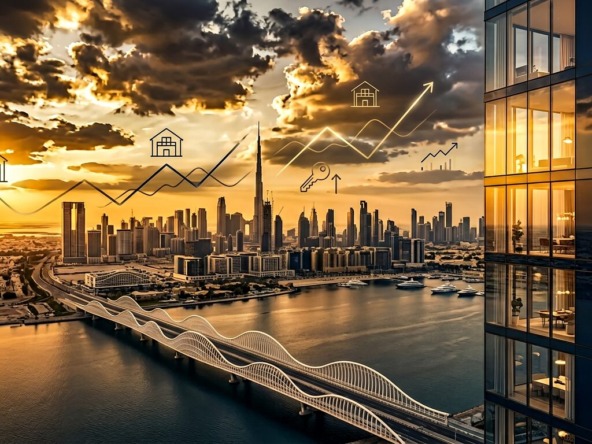
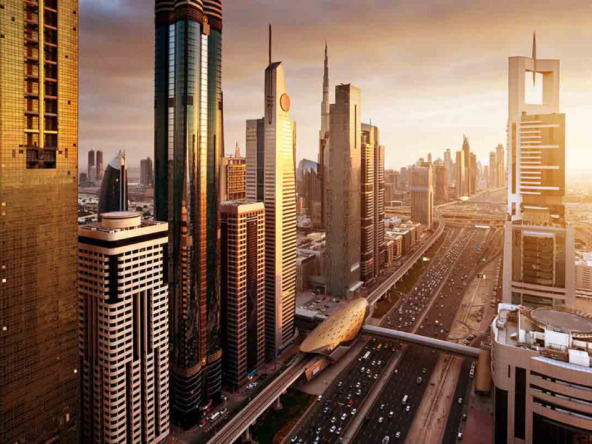
Dubai’s real estate sector has kicked off 2026 with remarkable force, and if you’ve been sitting on the fence about investing, the latest numbers might just convince you to act. Dubai’s residential real estate market maintained steady momentum in the first quarter of 2026, recording more than 44,000 transactions as strong off-plan demand continued to offset a slowdown in ready-home activity amid regional geopolitical uncertainty.
This is not just another good quarter — it’s a clear signal that Dubai’s property market continues to attract serious investors from across the globe, backed by solid fundamentals and an unstoppable development pipeline.
Key Numbers You Need to Know: Q1 2026 at a Glance
According to Cavendish Maxwell, the emirate registered **44,100 residential sales** between January and March, marking a **4.2% increase** compared with the same period last year.
When you zoom out to the total real estate picture, the story gets even more impressive. Dubai’s property market maintained strong momentum in the first quarter of 2026, with total sales reaching Dh176.7 billion across nearly 48,000 transactions, reflecting continued investor appetite and steady price growth. Data from fäm Properties showed transaction **values rose 23.4% year-on-year**, while volumes increased 5.5%, pointing to a market where price strength is driving overall growth.
Perhaps most strikingly, January 2026 recorded AED 72.4 billion in sales — the highest single month in the history of Dubai real estate.
Off-Plan Properties: The Undisputed Star of Dubai’s Market
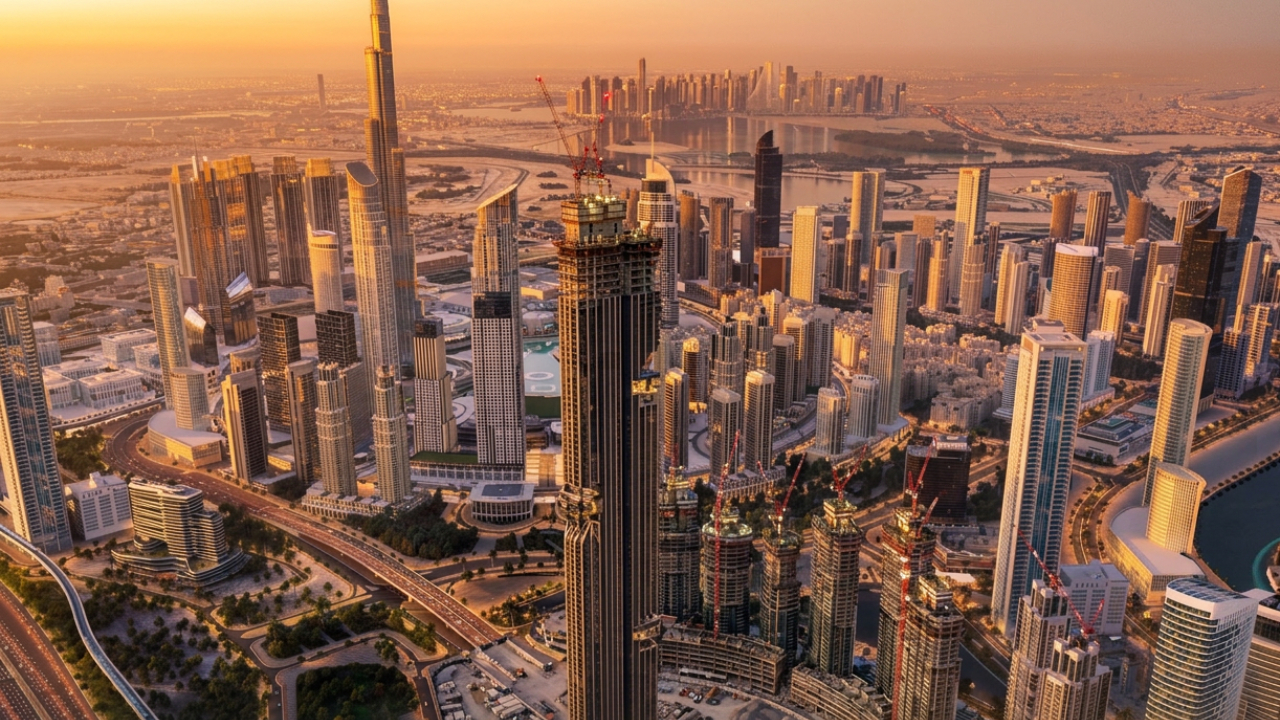
If there’s one theme that defines Dubai’s 2026 real estate market, it’s the dominance of off-plan properties. Off-plan properties dominated market activity, accounting for 73% of all transactions during the quarter and posting a 10.3% year-on-year increase. Off-plan properties accounted for **70% of total transaction volume**, reflecting deep developer pipelines and high buyer confidence.
Why are so many buyers choosing off-plan over ready homes? The reasons are both practical and financial:
- An off-plan property is one that’s sold before completion — often at a lower price with a flexible payment plan. Buyers can secure premium locations and layouts at today’s rates while developers handle the construction phase.
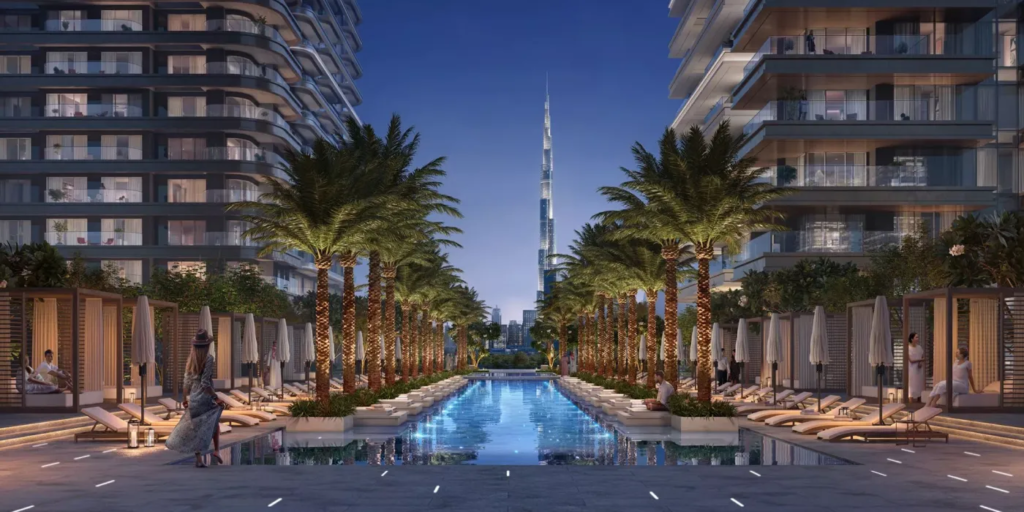
- The surge is also fuelled by the increasing popularity of branded residences, a niche segment that blends global hospitality standards with real estate investment. These projects not only offer premium amenities and services but also fetch higher resale values and rental yields.
- The Golden Visa programme, which grants long-term residency to investors, entrepreneurs, and skilled professionals, has been a significant factor driving demand in the off-plan segment.
Ready Homes Slow Down — But It’s Not All Bad News
While off-plan is thriving, the ready-home segment tells a slightly different story. Ready-property sales declined 9.2%, reflecting tighter inventory availability in established communities and a shift in investor preference towards developer-led launches with flexible payment plans. Ready-home transactions declined sharply in March, falling 35% year-on-year, while off-plan activity remained broadly stable with a marginal 0.6% increase, highlighting continued buyer confidence in future supply.
However, experts urge caution before reading too much into March’s softer figures. “While March was the softest month of the quarter with 12,700 transactions — down 10.5% compared to March 2025 — it is too early to confirm that the dip is directly related to regional tensions,” says Ronan Arthur, Director and Head of Residential Valuation at Cavendish Maxwell. “Property sales data typically takes several weeks to be reflected in official statistics, so March’s figures are a mix of deals signed before and after the conflict began.”
In short, the numbers warrant watchfulness — but not alarm.
Property Prices: Growing Smarter, Not Just Faster
The average price per square foot rose **12.5% year-on-year to AED 1,759**. This kind of value growth is a sign of a maturing market, not a speculative bubble.
Different property types are performing at different speeds:
- **Apartments** saw 36,466 transactions totalling AED 75.3 billion in value. **Villas** recorded AED 59.9 billion in value, up 17.5% year-on-year. **Commercial properties** saw a 69.2% year-on-year surge in value, reflecting growing institutional confidence in Dubai as a global business hub.
At the luxury end, the most expensive property sold during Q1 went for AED 422 million at Aman Residences Tower 2, while the most expensive villa was sold for AED 350 million at Jumeirah First.
Mortgages Are Surging Too
It’s not just cash buyers driving Dubai’s market. Mortgage transactions totalled 11,829 in Q1, up 7.5% year-on-year, with an overall value of AED 59.8 billion — a 46% increase. This signals growing confidence among financed buyers and an increasingly accessible market for first-time and mid-budget investors.
The Rental Market: A Parallel Success Story
Buyers aren’t the only ones with confidence in Dubai real estate. Renters and landlords are equally bullish. The rental market showed resilience, with over 139,000 transactions recorded, reflecting continued population growth and tenant inflows. Rising demand for housing is supporting both rental activity and long-term investment in residential assets. Apartment rental yields held at approximately **7%**, making Dubai one of the top cities globally for real estate returns.
What’s Driving Dubai’s Unstoppable Real Estate Growth?
Dubai isn’t booming by accident. Several powerful forces are working together to sustain this market:
1. Population Growth Dubai’s population surpassed 4 million in 2025 and is expected to add up to **225,000 new residents** this year alone.
2. Strong Economy The IMF projects UAE GDP growth at **5.0% for 2026** — the fastest in the GCC.
3. Developer Confidence New launches are flooding the market to meet demand, reflecting developers’ confidence in the long-term strength of the sector.
4. Community-Focused Development The emphasis is shifting from huge developments to human-centric urban planning — 15-minute neighbourhoods where residents can walk to work, dine, shop, and access essential services. This positions Dubai not just as a real estate market, but as a thriving ecosystem of interconnected communities.
5. Investor Protections RERA regulations and escrow accounts ensure transparency, making the market safer and more reliable for both local and overseas buyers.
Is Q2 2026 Worth Watching?
Absolutely. Q2’s statistics, which will be available in the coming months, will give a much clearer picture of market direction. With off-plan sales continuing to anchor market performance and structural demand drivers firmly intact, Dubai’s residential sector appears well positioned to sustain growth momentum despite regional volatility, realty analysts said. Market analysts say the sustained strength of the off-plan segment reflects deeper structural demand drivers rather than short-term speculative activity.
Final Thoughts: Is Now the Right Time to Buy in Dubai?
The data paints a compelling picture. Dubai’s real estate market in Q1 2026 has delivered record-breaking sales values, surging off-plan demand, rising prices, and a resilient rental sector. The data from Q1 2026 illustrates a market built on fundamentals: population growth, infrastructure development, and a favourable tax-free environment. With prices up 12.5% and total value reaching record levels, the window for entry at current pricing is narrowing.
Whether you’re a first-time buyer, a seasoned investor, or looking to relocate to Dubai, the fundamentals have never been more convincing.
👉 Ready to explore Dubai’s best off-plan opportunities? Browse our latest listings at OlivesHomes.com and speak to our expert advisors today.